
In 2003, 42% of street robbery victims were under 18.


Our History

Founded to Keep Kids Safe 

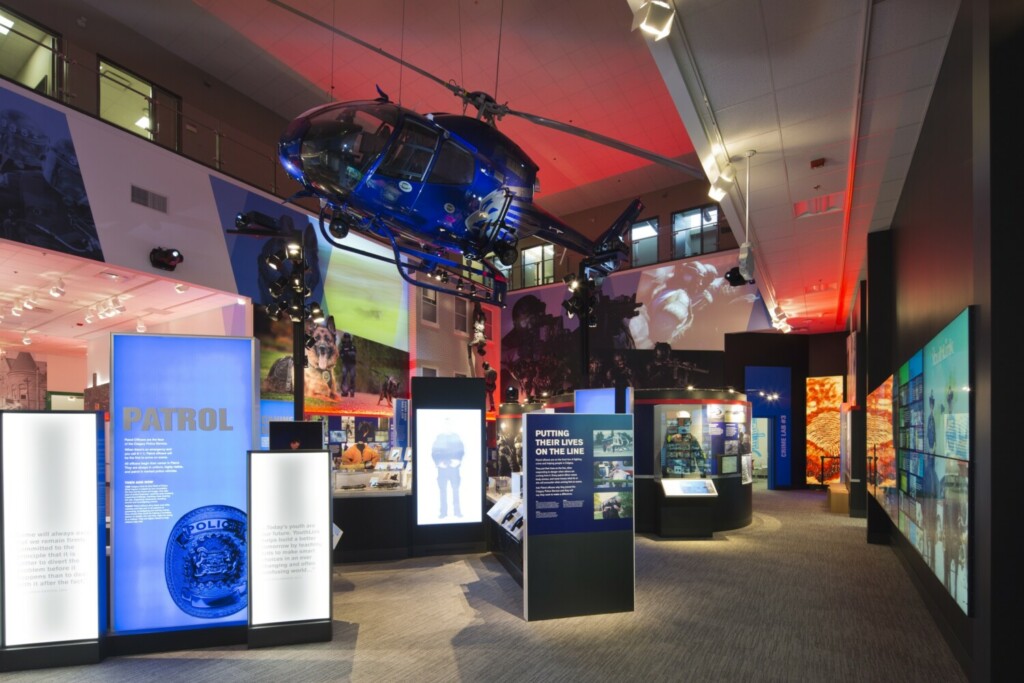
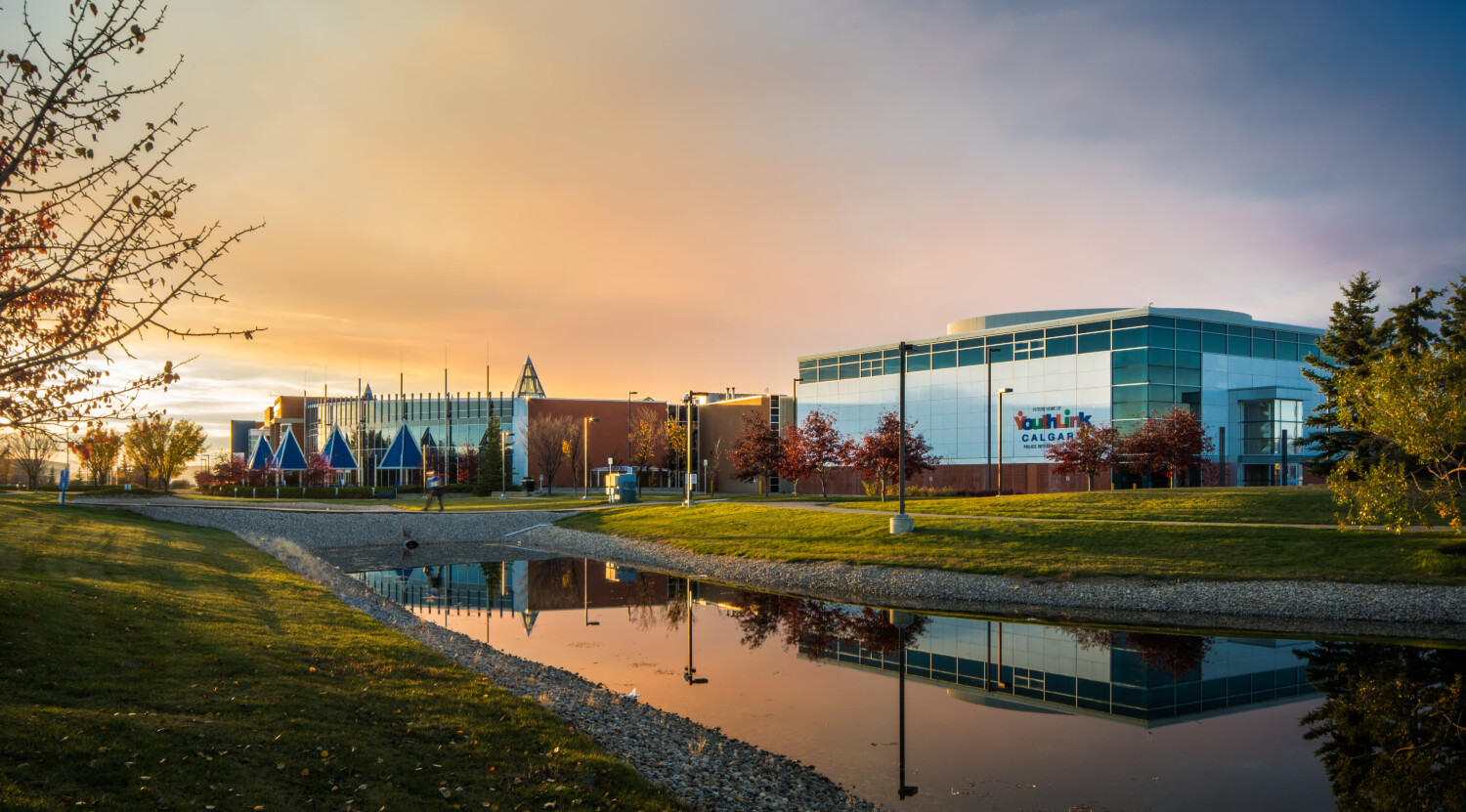
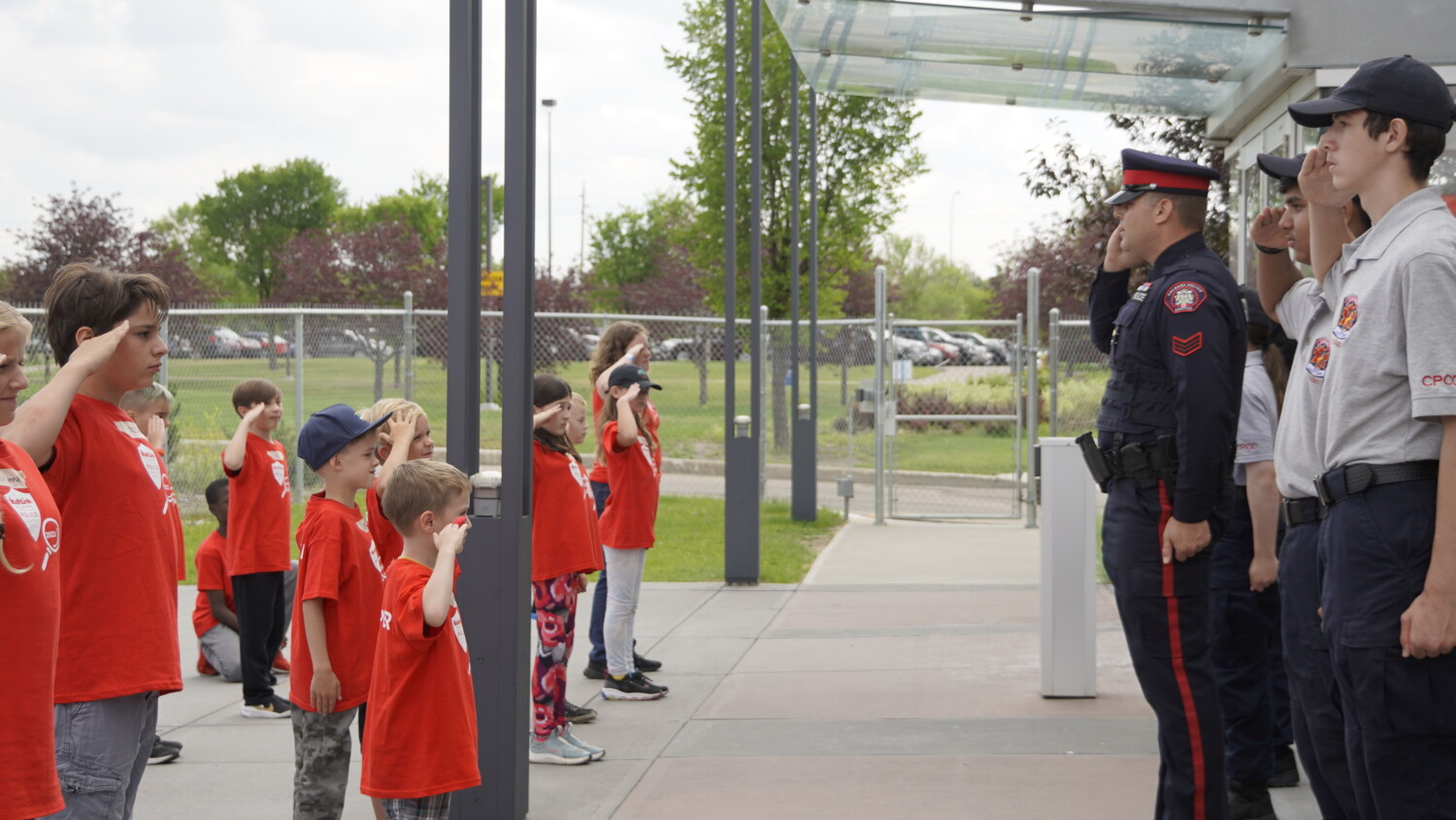
Youthlink Calgary: The Calgary Police Interpretive Centre was created to educate young people about crime, its consequences and the role of police in society.

The concept of an interpretive centre grew out of community-based policing and the Service’s growing concern about youth crime and violence. The facility was seen as a proactive policing strategy that could focus on young people before they commit crimes, rather than after.

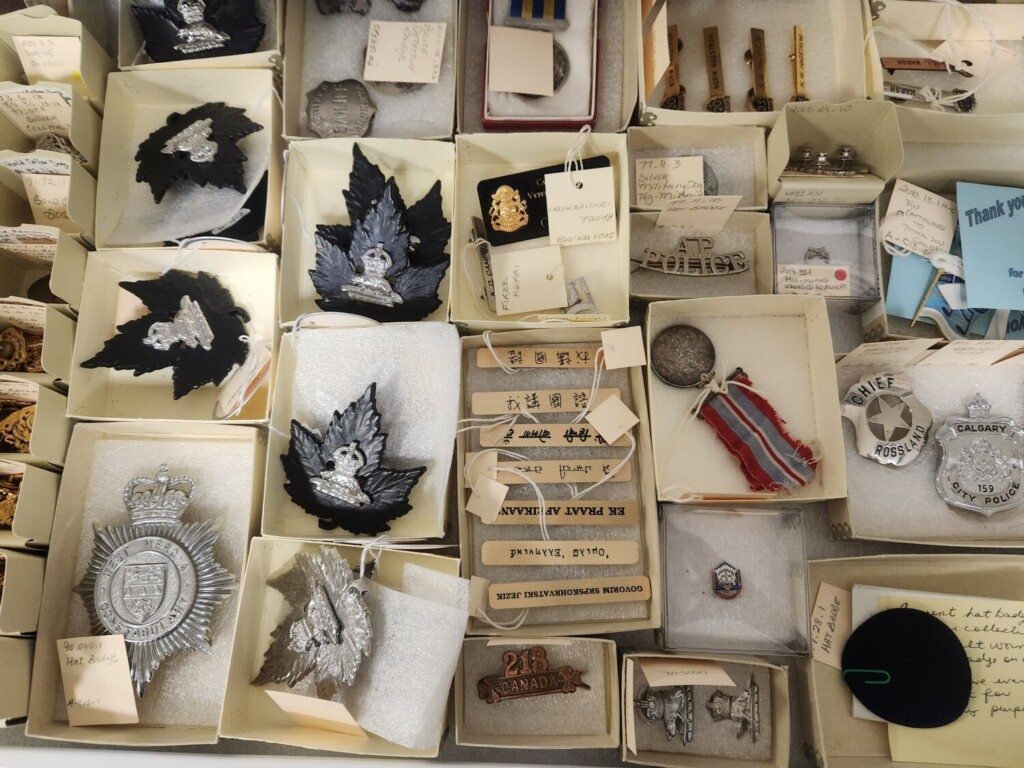
As early as 1986, a group of police officers formed a committee with a mandate to create a police museum. The committee believed that if a museum were to be built to display police artifacts, it needed a meaningful purpose.

The idea of an interpretive centre to educate youth began to take shape in 1990. When the idea was introduced to the Calgary community in 1992, Calgarians – particularly those from the corporate sector – were quick to show their support. More than $700,000 in donations was received, and the Centre opened its doors in September 1995.

Milestones
  • 1988  The Calgary Police Service Museum Society is incorporated with a mandate to develop a museum.
  • 1995  The Interpretive Centre opens with two staff members and a mission statement to help reduce crime, to promote safety and to strengthen links between police and among Calgary’s young people through interaction and education.
  • 1995  One of a handful of museums in North America that focus on social responsibility.
  • 1995  The only policing interpretive center of its caliber in Canada.
  • 1996  The first forensic science programme (Crime Wave) – written to facilitate Alberta standard grade six science curriculum on evidence and investigation – is introduced into Calgary schools.
  • 1996  The inaugural YouthLink fundraising dinner at the Calgary Glencoe Club is enjoyed by 400 guests – the resulting funds are used to develop interactive and educational exhibits for children and youth.
  • 1998  The second scenario (Homicide) for the forensic science programme is developed and is an instant success with both teachers and students, who book up to two years in advance.
  • 1999 A new exhibit dealing with domestic abuse and family violence is created.
  • 2001  The Call Box Gift Shop opens its doors, providing police-related gifts and resources to the public. Revenue from the shop supports Centre development.
  • 2002  Grade four and five health and life skills curriculum programme on domestic abuse and family violence is created, and is facilitated province-wide.
  • 2004  A travelling exhibit on domestic abuse and family violence is developed to augment the curriculum programme developed in 2002.
  • 2004  New exhibits on substance abuse (Dead End Street), the commercial sexual exploitation of children (Tricked – formerly referred to as juvenile prostitution) and youth violence (Harm’s Way) are added to the Centre, filling out its mandate to teach children about the broader social aspects of crime and poor lifestyle choices.
  • 2004  The third forensic science scenario (Internet Luring) for the grade six science curriculum on investigation is developed and facilitated through the Centre.
  • 2004  Five staff members, along with a full complement of volunteers (65 in the Interpretive Centre and 15 in the Call Box Gift Shop), facilitate 14,000 visitors each year.
  • 2005  www.youthlinkcalgary.com, an interactive website for youth and educators on policing issues and the broader social contexts relating to crime is launched.
  • 2007  The Centre is renamed as Youthlink Calgary - The Calgary Police Interpretive Centre.
  • 2008  Crime Wave was discontinued and Homicide and Internet Luring had second endings added to provide more variety to the programme.
  • 2008  A new content plan for redevelopment was created and a Capital Campaign was initiated to raise funds for the upgrade to the Centre.